
.jpg)
Healthy Home Design Tips to Reduce Indoor Air Pollution Naturally
The quality of indoor air has been an issue of serious concern in Indian cities where pollution is usually high all through the year. Little known to many house owners, poor ventilation, synthetic materials, and the daily routines of the house can sometimes make the air inside the house more polluted than the air outside. This has seen an increased need for air-purifying interiors and more intelligent designs of healthy homes.
By 2026, interior design will go beyond the aesthetic to concentrate on well-being. Homes can be cleaner, safer, and more breathable places through careful design decisions, starting with materials to layout.
What Makes Indoor Spaces Polluted?
The origin of the problem should be known before resolving it. The indoor pollution is not caused by a single factor; it is a combination of several factors within a home.
Some of the common causes are dust buildup, chemical emissions by paints and furniture, bad ventilation, cooking fumes, and even electronic gadgets. In the long term, they have an impact on breathing, energy production, and general comfort.
That is why anti-pollution design is not only a fashion but also a necessity at modern houses.
Designing for Better Air Flow and Ventilation
The easiest and most efficient method of eliminating indoor pollution is through enhancement of airflow. A properly designed ventilation system in a house guarantees the influx of fresh air and the expulsion of trapped pollutants.
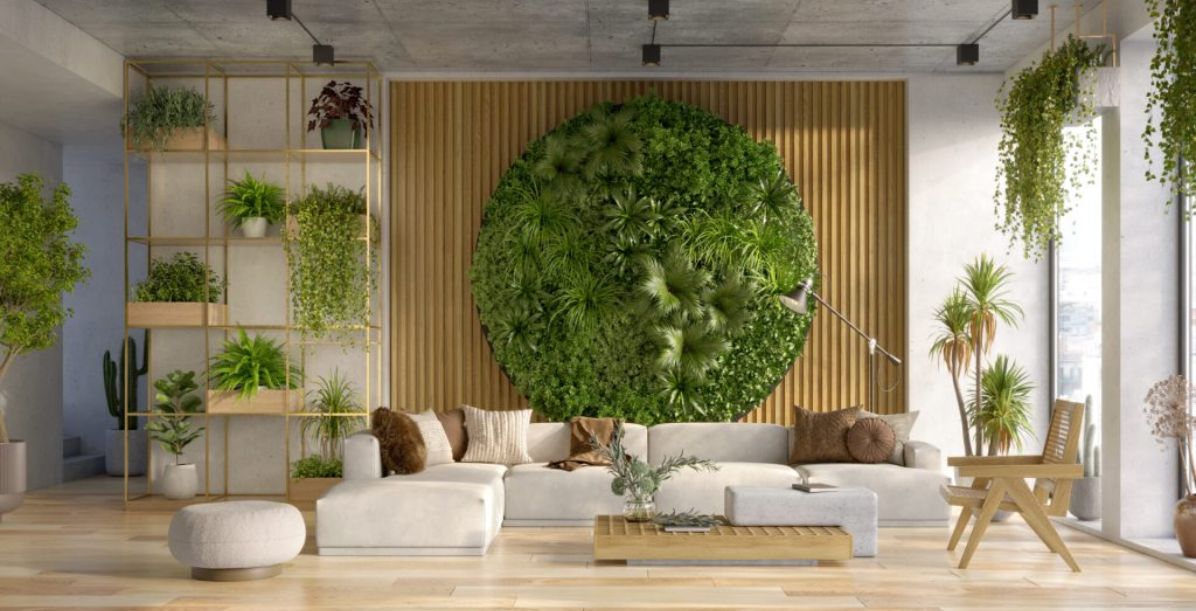
Cross-ventilation is key. Open layouts, windows on opposite walls and ventilators aid in ensuring consistent air circulation. Circulation can be enhanced even by minor measures such as maintaining clear pathways or using breathable curtains.
Natural ventilation not only minimizes pollution but also minimizes reliance on artificial cooling systems.
Materials That Support Healthy Indoor Air
Material selection is one of the least considered healthy home design aspects. A lot of materials that are used commonly emit harmful chemicals with time.
To develop air-purifying interiors, it is necessary to select the appropriate materials:
Low-VOC or no-VOC finishes and paints.
Hardwood, rather than composite boards.
Natural fabrics such as cotton, jute, and linen.
Choose rock, stone, or tile flooring instead of heavy carpets.
Environmentally friendly adhesives and sealants.
Such materials minimize toxic emissions and help in creating a healthier indoor environment.
Role of Indoor Plants in Air Purification
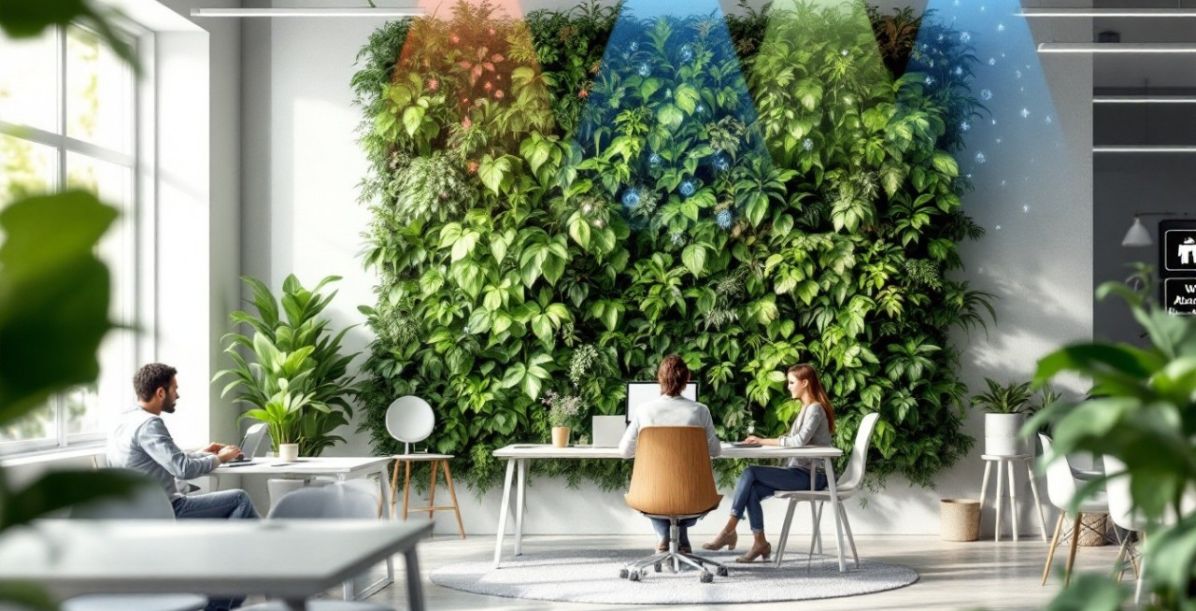
Plants placed inside the building are one of the best and most natural methods of enhancing air quality. They absorb toxins, give off oxygen, and provide a relaxing environment.
Plants like areca palm, snake plant, and peace lily are commonly used for air purification. They, also, provide a refreshing aesthetic to interiors.
Nevertheless, the use of plants should be strategic. Their location should be close to windows, balconies, or working areas to guarantee the greatest possible flow of air.
Smart Design Features That Reduce Pollution
Innovative interior design elements are currently being integrated into modern interior design, which proactively lowers the amount of pollution in the interiors.
There are practical solutions such as the following:
Furniture or wall-based air purifiers.
Kitchen and bathroom exhaust systems.
Easy-clean and dust-resistant surfaces.
Outdoor entryway zones are to capture out-of-doors pollutants.
Adequate storage to minimize clutter and accumulation of dust.
These attributes make it simpler to have a clean and breathable environment on a daily basis.
Creating Low-Dust and Easy-to-Maintain Interiors
One of the largest sources of indoor pollution is dust. The easy cleaning of the spaces will help a great deal in decreasing the amount of dust.
This can be done by avoiding heavy drapes, overuse of decorations, and corners that cannot be easily accessed as a way of keeping the place clean. Minimal furniture, smooth surfaces, and orderly storage facilitate quicker and more efficient cleaning.
Not only does a clutter-free home look better, but it also promotes the air quality.
Challenges in Achieving Pollution-Free Interiors
Although the concept of anti-pollution design has some self-evident advantages, the quest to have absolutely clean indoor air may be a challenge. Results can be influenced by external pollution, restrictions in building designs, and lifestyle habits.
Financial restraints can also restrict access to quality materials or sophisticated air purification systems. Also, routine maintenance is pivotal, as otherwise even the most thought-out spaces will lose their functionality.
The trick is to make good designs and regular habits, such as cleaning, ventilation, and conscious choice of materials.
Conclusion
The concept of anti-pollution interior design is becoming an important aspect of current life. As the environmental issues grow, it is no longer an option to make the interiors air-purifying, because it is a prerequisite to health and comfort over the long term.
Homeowners can attain effective, healthy home designs by focusing on ventilation, safe materials, intelligent layouts, and low-maintenance designs. Such changes do not only enhance the indoor quality of air but also increase the general well-being.
A more healthy home cannot be made in a day. It is designed by making prudent choices that enable your space to breathe, operate, and provide you with an improved lifestyle in your daily living.
.jpg)
.jpg)
.jpg)
.png)
.jpg)
.png)
.jpg)
.jpg)
 Chat With Diva