
.jpg)
The entryway is the first space people experience when they enter your home. It sets the tone, introduces your design style, and creates an instant impression of how the rest of the home may feel. Whether your home has a spacious foyer, a compact apartment entrance, or a narrow passage near the main door, the right design approach can make the area look elegant, functional, and welcoming.
A well-designed entryway is not only about decoration. It is about balance. The space should feel beautiful, but it should also support daily use. Shoes, keys, bags, umbrellas, mirrors, lighting, and storage all need to be planned carefully so the entrance looks clean instead of cluttered.
Here are some practical and stylish entryway and foyer design ideas to help you create a strong first impression.
1. Start With a Clear Design Theme
Before selecting furniture or décor, decide the overall mood of your entryway. The foyer should feel connected to the rest of the home. If your interiors are modern, the entrance can use clean lines, neutral tones, and sleek finishes. If your home has a luxury theme, you can introduce marble, brass, textured wall panels, or statement lighting. For a warm and earthy home, wooden finishes, soft lighting, and natural textures work beautifully.
A defined theme makes the space look intentional. Without a clear direction, the entryway can quickly feel like a mix of random furniture and decorative items.
2. Use a Statement Console Table
A console table is one of the most popular elements for foyer design. It gives structure to the entrance and provides a surface for styling. You can place a decorative vase, table lamp, candle, sculpture, or tray on it.
For compact homes, choose a slim console table with a narrow depth. For larger foyers, a solid wooden or marble-top console can create a more premium impression. The key is to avoid overcrowding the surface. A few well-selected pieces look more elegant than too many small accessories.
3. Add a Mirror to Open Up the Space
Mirrors are extremely useful in entryway design. They reflect light, make the space appear bigger, and allow one final look before stepping out. A large round mirror can soften the entrance, while a tall rectangular mirror can add height and drama.
For a luxury foyer, consider a mirror with a metal frame in brass, black, bronze, or champagne gold. For a minimal home, a frameless or thin-frame mirror works well. Place the mirror above the console table or on a side wall where it reflects light without directly facing clutter.
4. Focus on Warm and Layered Lighting
Lighting can completely transform the mood of an entryway. Since foyers are often smaller or slightly darker than other areas, good lighting is essential. Instead of using only one ceiling light, try layering different types of lighting.
You can use a chandelier or pendant light for a grand entrance, wall sconces for soft side lighting, and a table lamp on the console for warmth. Cove lighting or backlit wall panels can also create a premium look. Warm white lighting generally works best because it feels inviting and comfortable.
5. Create a Feature Wall
A feature wall instantly gives identity to the foyer. It can be created using wallpaper, textured paint, stone cladding, wooden panels, fluted panels, marble-effect tiles, or decorative wall moulding.
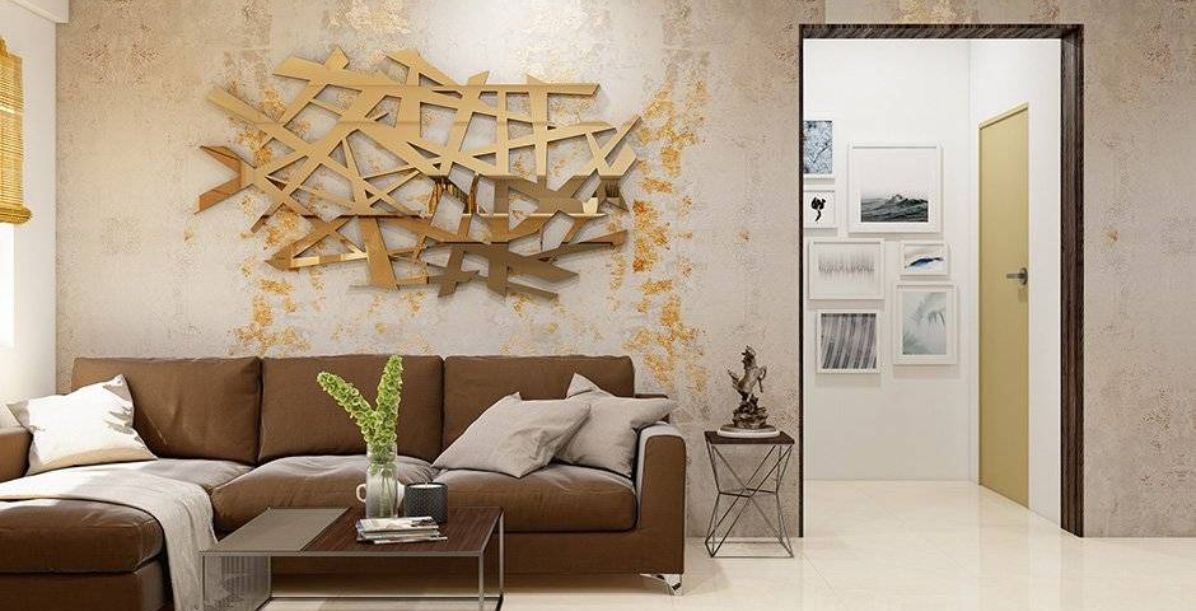
For a modern luxury look, fluted wooden panels with hidden lighting work very well. For a classic home, wall moulding with a mirror or artwork can create a refined entrance. If you prefer a bold look, a textured wallpaper or deep accent color can make the foyer stand out.
The feature wall should not feel too busy. Keep it elegant, especially if the entrance area is small.
6. Plan Smart Shoe Storage
A beautiful foyer can quickly lose its charm if shoes are visible everywhere. Proper shoe storage is one of the most important parts of entryway design. A closed shoe cabinet keeps the area neat and organized.
You can choose a floating shoe cabinet for a modern look, a wooden cabinet for warmth, or a cabinet with seating for added comfort. If space allows, add drawers for keys, shoe polish, masks, small tools, or daily-use items.
For Indian homes, where shoes are often removed near the entrance, this planning becomes even more important.
7. Add Seating for Comfort
A small bench, pouffe, or built-in seating area can make the entryway more functional. It gives people a comfortable place to sit while wearing or removing shoes.
For compact foyers, a slim upholstered bench works well. For larger entrances, a built-in seating nook with cushions and storage below can look elegant and practical. Choose fabric or leatherette that is easy to clean, especially if the seating is used daily.
8. Use Rugs or Flooring to Define the Entrance
Flooring plays a major role in creating the first impression. If you are designing from scratch, you can use a different flooring pattern at the entrance, such as marble inlay, patterned tiles, wooden flooring, or stone finish tiles.
If you do not want major renovation, a stylish rug or runner can define the area. Choose a rug that is durable, easy to clean, and proportionate to the entryway size. Avoid very light-colored rugs near the entrance if the area gets heavy foot traffic.
9. Bring in Art and Décor
Artwork can make the foyer feel personal and sophisticated. A large painting, framed print, metal wall art, or sculptural décor piece can become the visual highlight of the entrance.
For a premium look, avoid using too many small frames. One large artwork often creates a stronger impact. You can also style the foyer with a ceramic vase, indoor plant, decorative bowl, books, or handcrafted pieces.
The goal is to create personality without clutter.
10. Add Greenery for a Fresh Welcome
Plants can make the entrance feel lively and refreshing. A tall indoor plant near the console or a small planter on the tabletop can add natural beauty. Plants like snake plant, rubber plant, areca palm, peace lily, or ZZ plant are good options for indoor foyers.
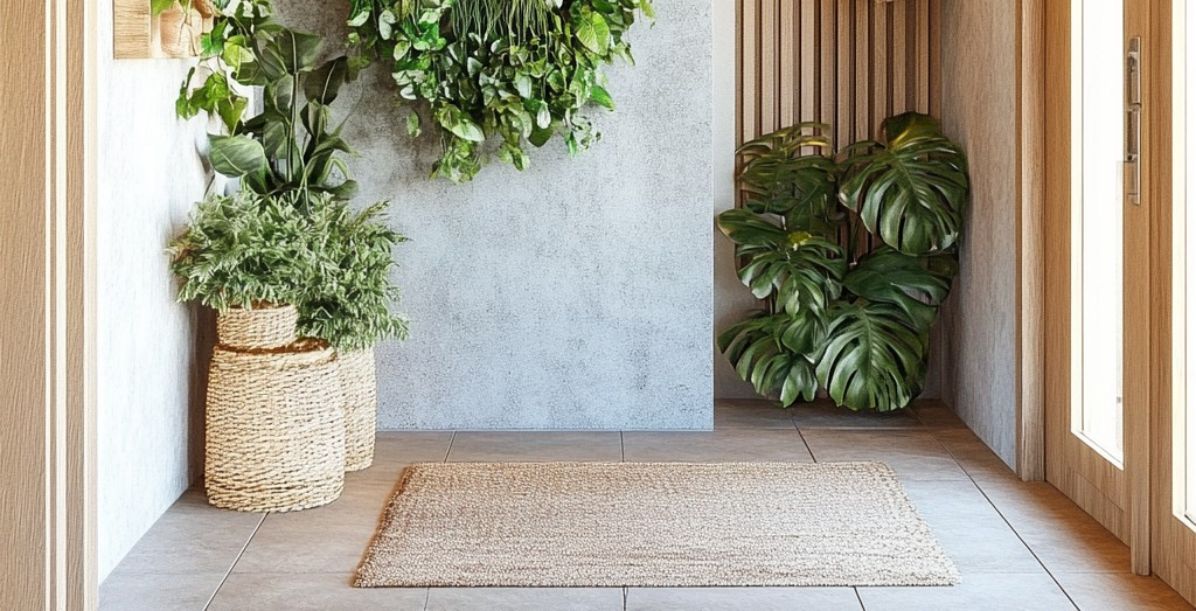
If the entrance does not receive natural light, use low-maintenance artificial plants or preserved greenery. Choose planters that match your interior theme — ceramic, stone, brass, matte black, or wooden planters can all work depending on the style.
11. Keep the Color Palette Balanced
The color palette of the entryway should feel welcoming and connected to the rest of the home. Neutral colors like beige, ivory, taupe, warm grey, and off-white create a calm and elegant look. Dark colors like charcoal, navy, forest green, or deep brown can create drama if used thoughtfully.
For small foyers, lighter shades usually make the space feel open. For larger foyers, you can experiment with deeper tones, textured walls, or contrast finishes.
A good design trick is to use one main base color, one accent color, and one metallic or wooden finish.
12. Use Premium Materials for a Luxury Feel
Even a small foyer can look luxurious if the materials are chosen well. Marble, veneer, fluted glass, brass accents, stone textures, textured laminates, and soft fabric finishes can instantly elevate the space.
You do not need to use expensive materials everywhere. One premium element is enough. For example, a marble-top console, a brass-framed mirror, a wooden wall panel, or a designer pendant light can create a high-end impression without overdoing the budget.
13. Avoid Overcrowding the Entrance
One common mistake in foyer design is adding too many elements. Since the entrance is a transition space, it should feel open and easy to move through. Avoid bulky furniture if the area is narrow. Keep décor minimal and purposeful.
There should be enough walking space near the main door. Make sure cabinets do not block movement, and avoid sharp corners in tight foyers. A clean layout always looks more premium than an overfilled one.
14. Personalize the Space
Your entryway should reflect your personality. You can add a family photo wall, a travel-inspired artwork, a traditional sculpture, a spiritual corner, or a signature fragrance. These details make the entrance feel more meaningful.
However, personalization should still follow the overall design language. For example, if you want to place idols or spiritual décor near the entrance, use a clean platform, soft lighting, and a balanced background instead of crowding the area.
15. Make It Practical for Daily Life
A foyer is used every day, so functionality matters. Add hooks for keys or bags if needed. Use a tray for daily essentials. Plan enough storage for shoes. Keep cleaning convenience in mind. Choose materials that can handle dust, movement, and regular use.
A beautiful entrance should not become difficult to maintain. The best foyer designs are those that look good and work smoothly in everyday life.
Final Thoughts
An entryway or foyer is much more than a small passage near the main door. It is the first impression of your home and a preview of your interior style. With the right mix of lighting, storage, furniture, mirrors, materials, and décor, even a compact entrance can feel elegant and welcoming.
The best approach is to keep the space clean, practical, and visually refined. A well-designed foyer should make guests feel welcomed and homeowners feel proud every time they enter the home.
.jpg)
.jpg)
.jpg)
.jpg)
.jpg)
.jpg)
.png)
.jpg)
.png)
 Chat With Diva